
Post-holiday debt and food insecurity collide for millions of families each January. When the joy of the season gives way to mounting bills and tighter household budgets, credit card statements arrive. Buy Now, Pay Later payments kick in.
For families already stretched thin, those financial pressures can quickly affect their ability to put food on the table.

Holiday Spending Leaves Families Vulnerable
For many households, holiday expenses aren’t covered by savings. Instead, they’re financed through credit cards or Buy Now, Pay Later services like Klarna, Affirm, and Afterpay. National surveys show that a majority of holiday shoppers carry balances into the new year, often expecting to spend months paying them down.
This growing reliance on debt has made post-holiday debt and food insecurity more closely linked than ever. When January bills come due, families are forced to make difficult choices — paying creditors, keeping the lights on, or going into more debt to buy groceries.
Buy Now, Pay Later: Relief Now, Pressure Later
Buy Now, Pay Later programs have grown rapidly in recent years, especially during the holiday season. These services allow shoppers to split purchases into smaller payments, making it easier to afford gifts and necessities in the moment.
But those payments don’t disappear. They stack up.
As January arrives, many families face multiple automatic withdrawals at once — often on top of other bills like rent or utilities. Missed or late payments can lead to fees, overdrafts, and even more financial strain.
This deepens the connection between post-holiday debt and food insecurity.


When Debt Competes With Food
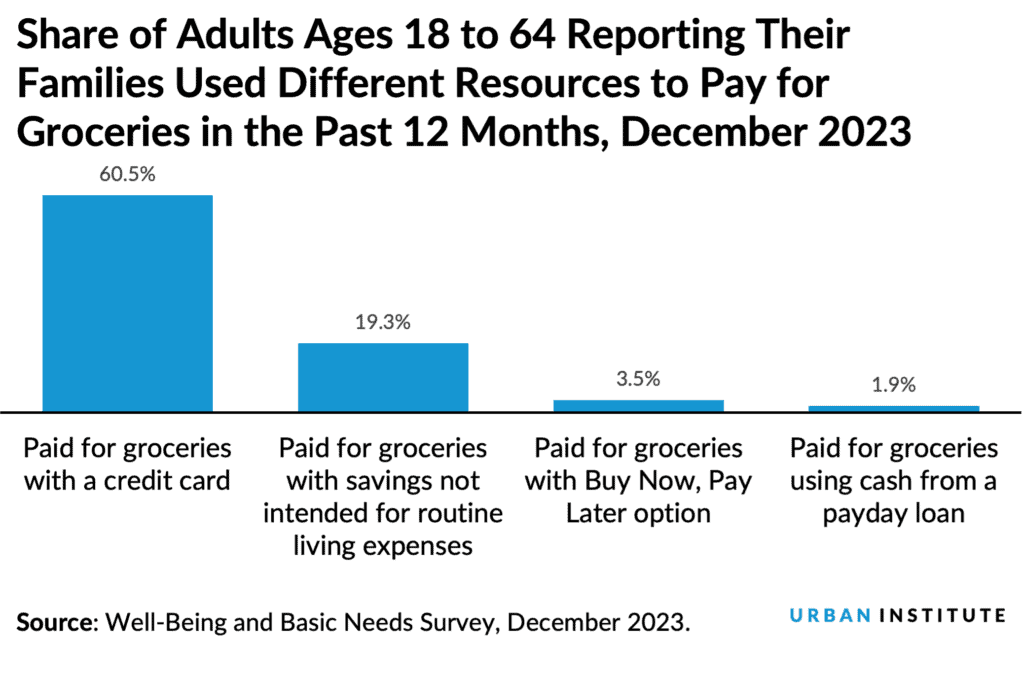
Research shows that households under financial pressure increasingly rely on debt for essentials, including groceries. Some families use credit cards or Buy Now, Pay Later plans just to keep food on the table.
Usually there is no hope they’ll catch up later.
But debt makes households more fragile. As payments come due and savings run out, families may cut back on food first — skipping meals, buying cheaper and less nutritious options, or turning to food pantries for support. This is often when food insecurity becomes unavoidable.
Why January Is Especially Hard
January has long been one of the most difficult months for families facing hunger. Holiday debt, rising living costs, and limited financial cushions all converge at once. Inflation has only intensified this pressure, leaving fewer families with room to absorb unexpected expenses.
This annual cycle explains why post-holiday debt and food insecurity remain persistent challenges.
Supporting Families Beyond the Holidays
Breaking the link between post-holiday debt and hunger requires more than short-term fixes. Strengthening programs like SNAP, supporting emergency food assistance, and increasing access to financial education can help families stay afloat when budgets tighten.
Community support also plays a critical role. When neighbors step up — through donations, advocacy, and partnerships — families can weather the lean months with dignity and stability.
Looking Ahead
The holidays may end in December, but their financial impact lingers well into the new year. As January bills arrive, post-holiday debt and food insecurity remind us that hunger doesn’t follow the calendar — and neither should our compassion.