
Jessie is Second Harvest’s Farm to Families Coordinator and is sharing today on women in agricultural leadership. In this role, she manages all of Second Harvest’s relationships with local Farmers who provide food to help us fight hunger. Jessie is a Tennessee native, and holds a degree in Agribusiness from MTSU. In 2018, she was named CTE Teacher of the Year for Metro Nashville Public Schools
Today, Jessie shares how her journey in agriculture shapes the way she defines leadership, legacy, and service.
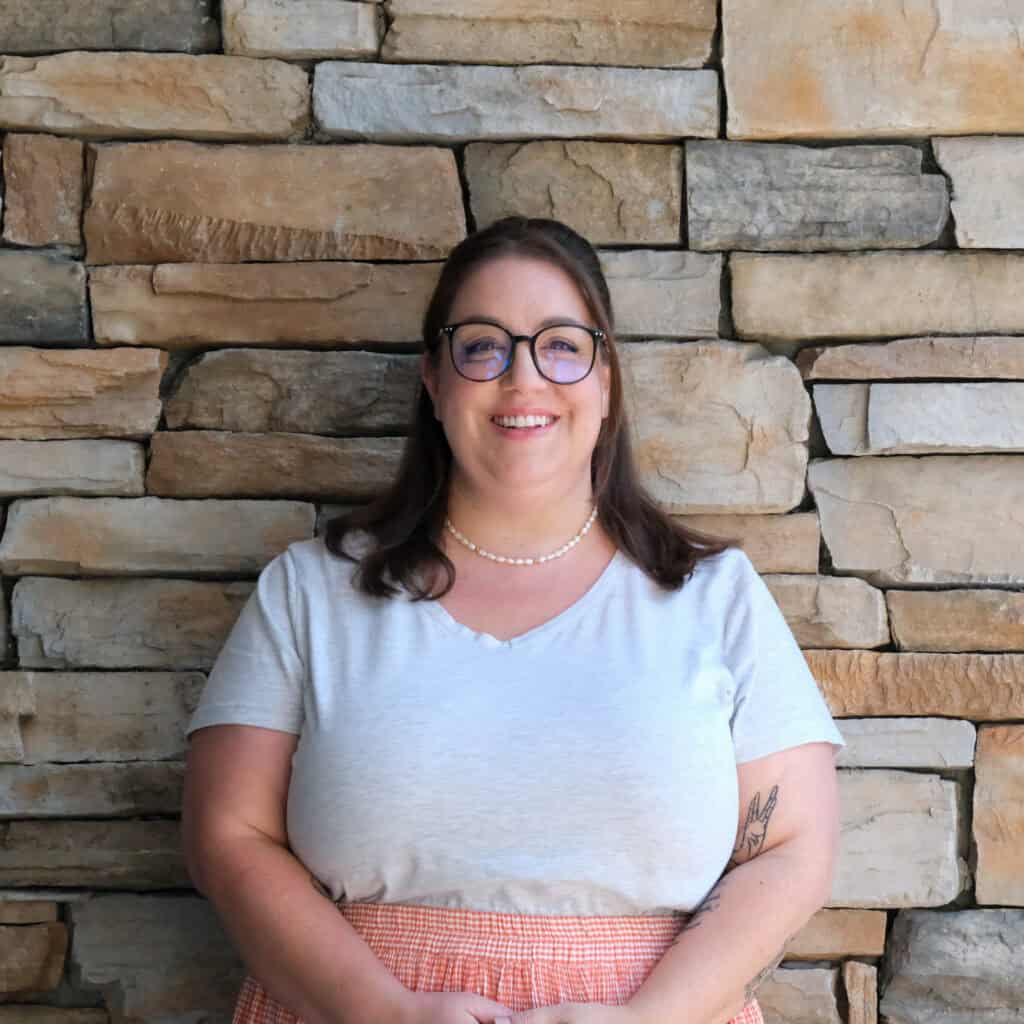
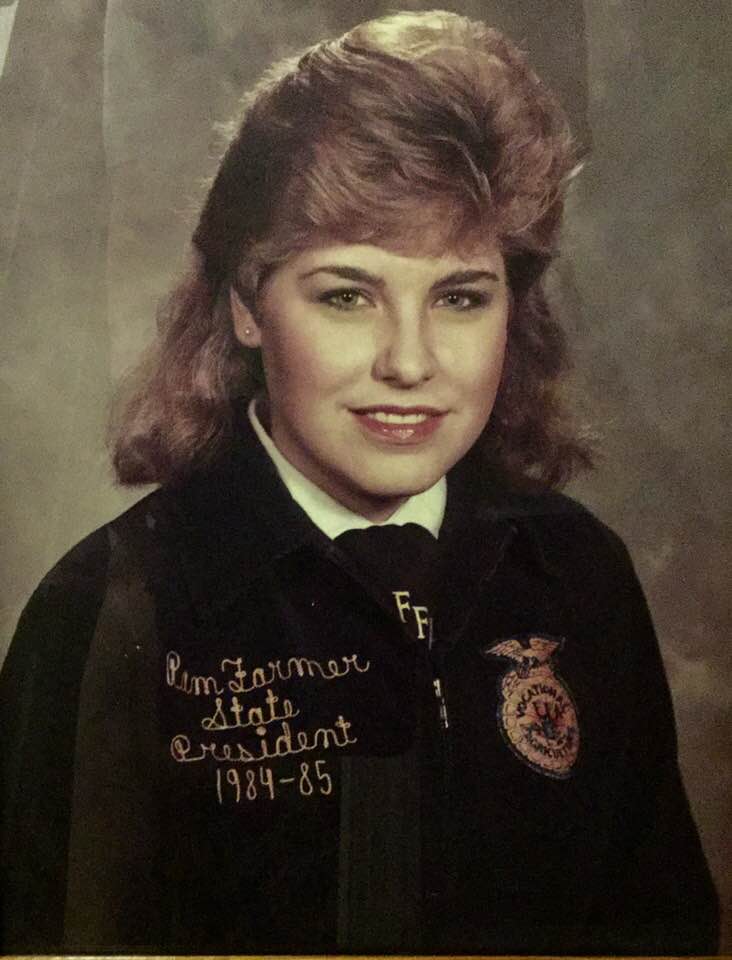
I have a vivid memory of sitting in my freshman Agriscience class at Gallatin High School in the fall of 2001, learning about the “firsts” in the legacy of the National FFA (Future Farmers of America) organization. A slide appeared showing a woman with fabulous 80s hair smiling back at me as my teacher said, “This is Pam Farmer, the first female State FFA President in Tennessee.” Pam was an important woman in agriculture leadership.
By the time I took that test a week later, I had decided: I want to teach agriculture and be an FFA advisor. One important step in that journey would be running for State FFA Office, just like Pam.
Only eight students are selected each year to serve as State Officers, traveling the state as representatives of agricultural education and FFA. After years of preparation and a weekend of interviews and testing, 30 of us stood in the back of the Gatlinburg Convention Center waiting for our names to be called. When the envelope for State Vice President was opened, my name was inside. I ran to the stage, taking it all in as the rest of the team was announced. As the final name was called, a buzz spread through the room. We looked down the line and realized… the team was all women. On that day in 2005, we became a “first” – Tennessee FFA’s first all-female State Officer team.
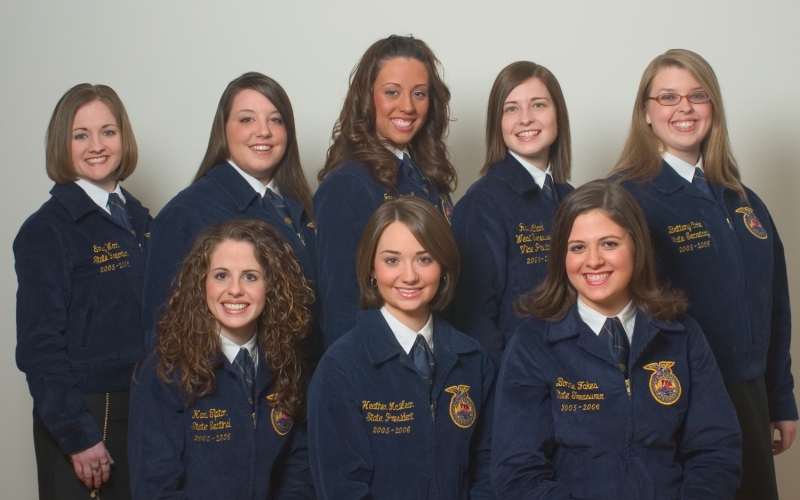
In the beginning, it felt like a badge of honor. Everywhere we went, people congratulated us. Eventually the greetings included jokes to our advisors: “I bet y’all have your hands full with eight girls!” I began to wonder if we would be remembered for anything except being female. Then, during a meeting with Tennessee Commissioner of Education Lana Seviers (only the second woman to hold that position), she told us something I’ve never forgotten: “I congratulate you on this accomplishment ladies. But you’ll know women have truly made it when no one mentions the fact that you’re all female.”
That changed everything for me. I stopped thinking about how we would be remembered and started focusing on what we would leave behind. Our team went on to create PLOW (Passing Literacy OnWard), an initiative that is still used in agriculture classrooms today to promote reading and comprehension through agricultural education.
I still wrestle with balancing the significance of being a “first” with the substance of the work we did. I’m proud to be one of those eight women, but 20 years later during Women’s History Month and Agriculture Month, I hope we are remembered more for our impact on students and the FFA mission than for something immutable like our gender. And yet, I can’t ignore what came after. Years later, one of my students, Gina (Locke) Stewart, was elected to Tennessee’s second all-female team in 2011. She too became an agriculture teacher, and one of her students, Ella Hasty, was elected to the third all-female team in 2023: three generations connected by one moment.
Time has reshaped how I define legacy. I just want to know I stewarded my role well, whether then as State Vice President, during my ten years as an agriculture teacher, or now as Farm to Families Coordinator here at Second Harvest Food Bank of Middle Tennessee.
The neighbors we serve will likely never meet me or the farmers I work with. But they will receive fresh, nutritious, locally grown food – fruits and vegetables, beef, pork, dairy, eggs, and honey – that fills tables and fuels healthy families.
That’s the legacy I believe in now: not recognition, but impact. Not being remembered, but showing up every day, in ways big and small, to love our neighbors well.