
As winter storm threat hits Nashville, many families across our region are preparing for more than snow and ice.
They’re preparing for impossible choices.
When extreme cold settles in, it often forces families to confront the painful reality of choosing between heat and food. At Second Harvest, we call this “heat or eat.”
With temperatures dropping and winter weather threatening to disrupt daily life, this decision becomes more urgent, more dangerous, and more costly.
When Winter Weather Turns Into Financial Crisis
Heating bills climb fast during extreme cold, especially for older homes with poor insulation or outdated systems. For families already living paycheck to paycheck, a single cold snap can push utility costs far beyond what their budget allows.
At the same time, winter storms drive up everyday expenses. Grocery prices remain high. School and work closures can mean lost wages. And when snow or ice damages a roof, bursts a pipe, or knocks out power, families face unexpected repair bills they didn’t plan for—and can’t afford.
For many, the only option is to rely on credit cards to cover essentials like food, heating costs, or emergency repairs. While this can provide short-term relief, it often creates long-term financial harm. Interest charges add up quickly, trapping families in a cycle of debt that lasts long after the snow melts.
Many families feel pressure to stockpile food in case roads become unsafe or stores close. That preparation often means buying extra groceries all at once.
That’s a luxury some households with tight budgets simply can’t afford.
For those already facing the heat or eat dilemma, the idea of stocking up becomes another painful reminder of how quickly winter emergencies can turn everyday needs into impossible choices.
The Hidden Impact of “Heat or Eat”
The heat or eat choice doesn’t just affect household finances.
Cold homes increase the risk of illness, especially for children, older adults, and people managing chronic conditions. At the same time, cutting back on food or choosing cheaper, less nutritious options can worsen health outcomes, weaken immune systems, and increase stress.
Winter storms make these challenges worse. Roads become unsafe. Access to grocery stores and food pantries becomes limited. Families may have food in their homes but lack power to cook it. Others may stretch what little they have, skipping meals to make food last until conditions improve.
Winter Is the Hardest Season for Hunger
Hunger doesn’t take a break when the weather turns severe. In fact, winter is one of the most difficult seasons for food insecurity.
Families already juggling rent, childcare, medical bills, and transportation costs face even more pressure when heating bills spike.
Add the possibility of storm-related home repairs—like fixing a furnace, replacing damaged pipes, or addressing leaks caused by ice—and the financial strain becomes overwhelming.
These aren’t isolated stories. They’re happening across Nashville and Middle Tennessee every winter, often quietly, behind closed doors.
How Food Support Helps Families Weather the Storm
Access to nutritious food can be the difference between stability and crisis during extreme cold. When families don’t have to choose between heating their homes and feeding their children, they can focus on staying safe, healthy, and financially afloat.
Food assistance helps families:
- Stretch tight budgets during high-cost winter months
- Avoid relying on high-interest credit cards for groceries
- Prioritize utility bills and emergency repairs
- Maintain health during periods of extreme cold
During winter storms, food banks and community partners work to ensure neighbors have access to food when they need it most—even as conditions become more challenging.
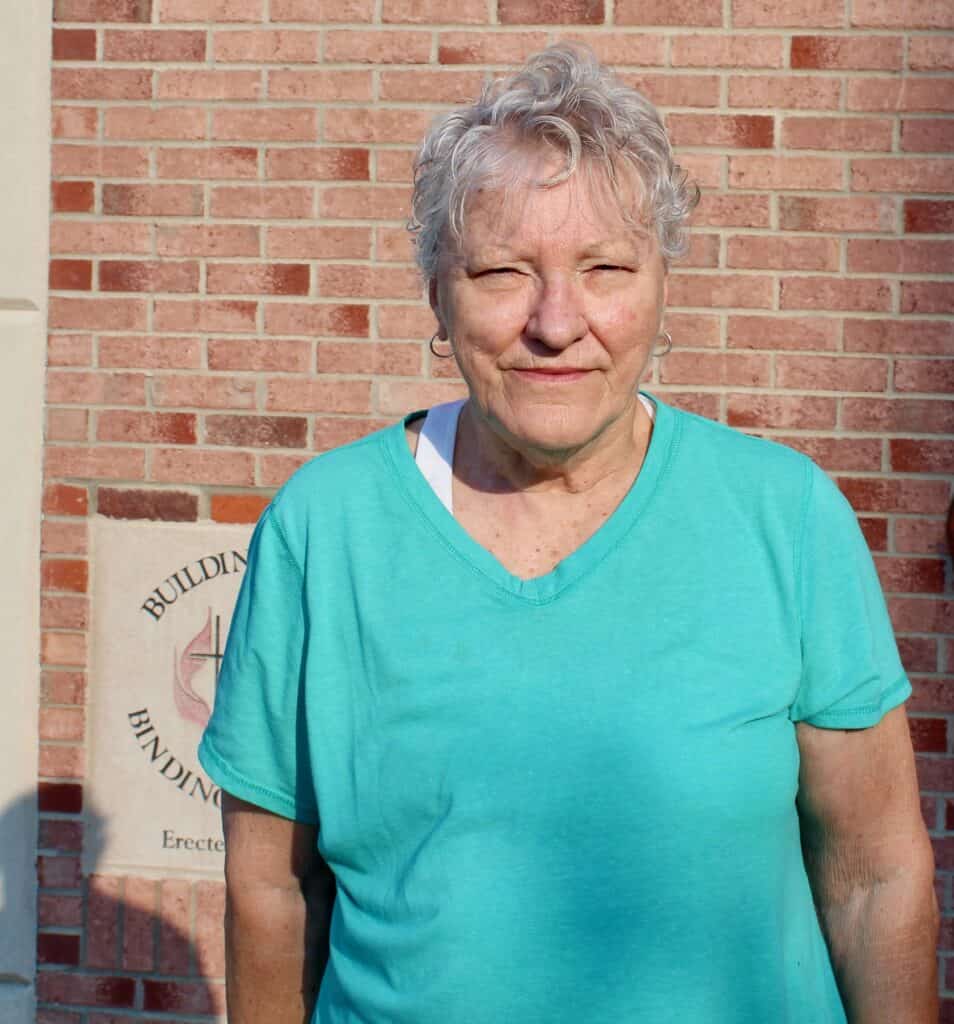
When a storm totaled Barbara’s car, she was left with no other option than to purchase a new one. That left her paying an additional $100 a month for transportation. She says, “When you go to the grocery and see how high it is, think of the seniors who live on social security. We can’t pay these prices that are here now. We just do without.”
Thankfully Second Harvest and our Partners are there to support neighbors like Barbara
As Nashville Prepares, So Do Our Neighbors
As forecasts warn of snow and freezing temperatures ahead, it’s important to remember that winter storms don’t impact everyone equally. For some families, this storm brings inconvenience. For others, it brings fear.
Fear of another bill they can’t pay, another repair they can’t afford, another week of choosing between heat or eat.
Winter weather may be unavoidable, but hunger doesn’t have to be.