
Losing health insurance in 2026 is not an abstract policy shift.
This change will reshape daily life for millions of Americans, including many here in Nashville. About 4 million people are expected to lose coverage this year after Congress allowed enhanced subsidies to expire at the end of 2025.
Those most affected include small business owners, gig workers, and farmers. These groups reflect the backbone of our local economy, from musicians navigating contract work to families tied to Tennessee’s agricultural industry.
For many who remain insured, coverage will come at a much higher cost. Roughly 24 million people are expected to see their premiums rise, with the expiration of enhanced premium tax credits driving a 114% increase in average annual costs—from $888 in 2025 to $1,904 in 2026.
For households already managing tight budgets, that kind of jump forces difficult tradeoffs.
We are already seeing how those tradeoffs play out. In Tennessee, 72% of people surveyed said they delayed or went without medical care due to cost. Nearly half reported feeling a financial burden from medical expenses.
The decisions behind those numbers are deeply personal: 18% avoided going to the doctor altogether, 23% delayed care, and 24% skipped recommended treatment. Others went without dental care, or rationed medications and left prescriptions unfilled.
These choices do not happen in isolation. When healthcare becomes unaffordable, it often affects other essentials—especially food.
Juana, a Millersville resident, understands this reality well. She arrived at a local food distribution at 6 a.m., determined to be first in line for her family of four: her 11-year-old child, her 88-year-old mother, and her husband, a chef. Living on a limited Social Security income, Juana faces rising costs across the board. Without insurance, her mother’s medications and insulin are especially difficult to afford.
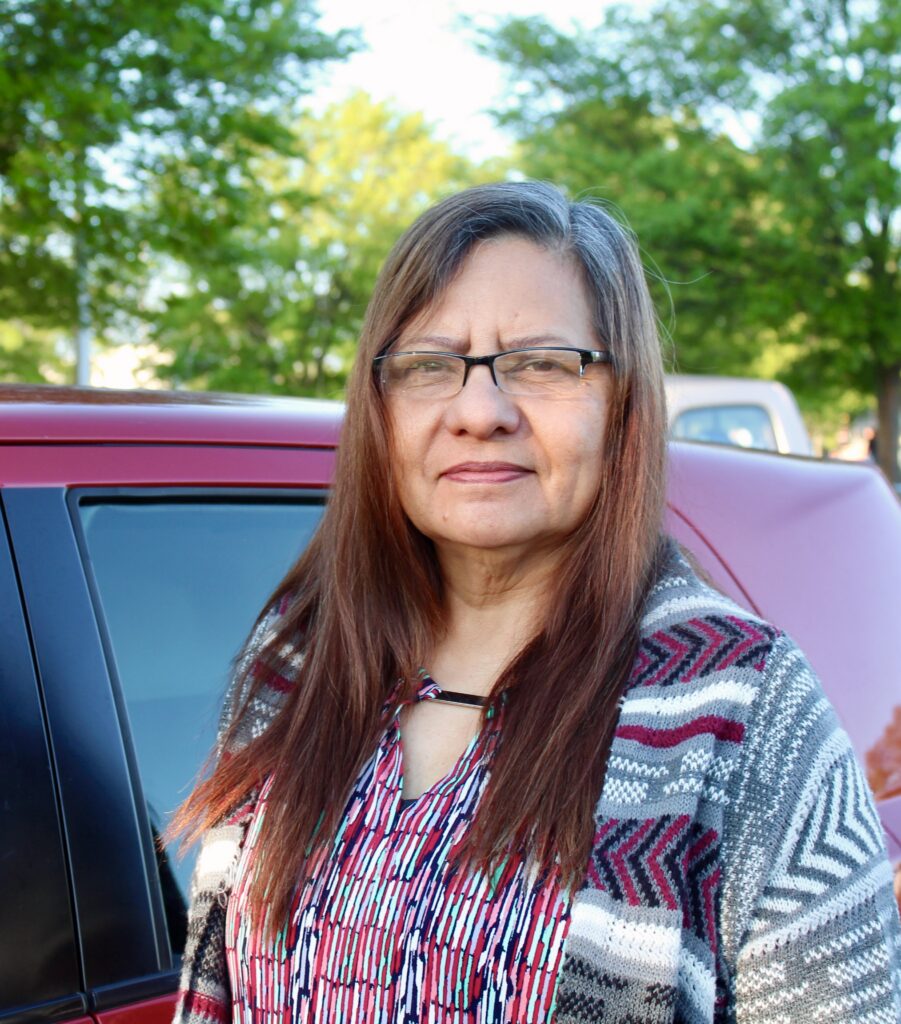
“The food is helpful because my check is small. Free food helps me a lot. I have a big family,” Juana shared.
Her story reflects a broader truth: when healthcare costs rise or coverage disappears, families are often forced to make impossible choices between medicine and meals. And while policy decisions may feel distant, their impact is immediate.
As more people face losing health insurance in 2026, the connection between health and access to food becomes even clearer. For many, support systems like food banks are what make stability possible in an uncertain moment.