
Need food? Find resources in your neighborhood
The USDA Food and Nutrition Service (FNS) works to increase food security and reduce hunger by providing children and people with low incomes access to food, a healthy diet, and nutrition education—while also supporting American agriculture.
FNS administers 16 federal nutrition assistance programs, including WIC, SNAP, and school meal programs.
TEFAP provides USDA foods to Food Banks, which are then distributed to local partner agencies like pantries and meal programs.
Why it matters:
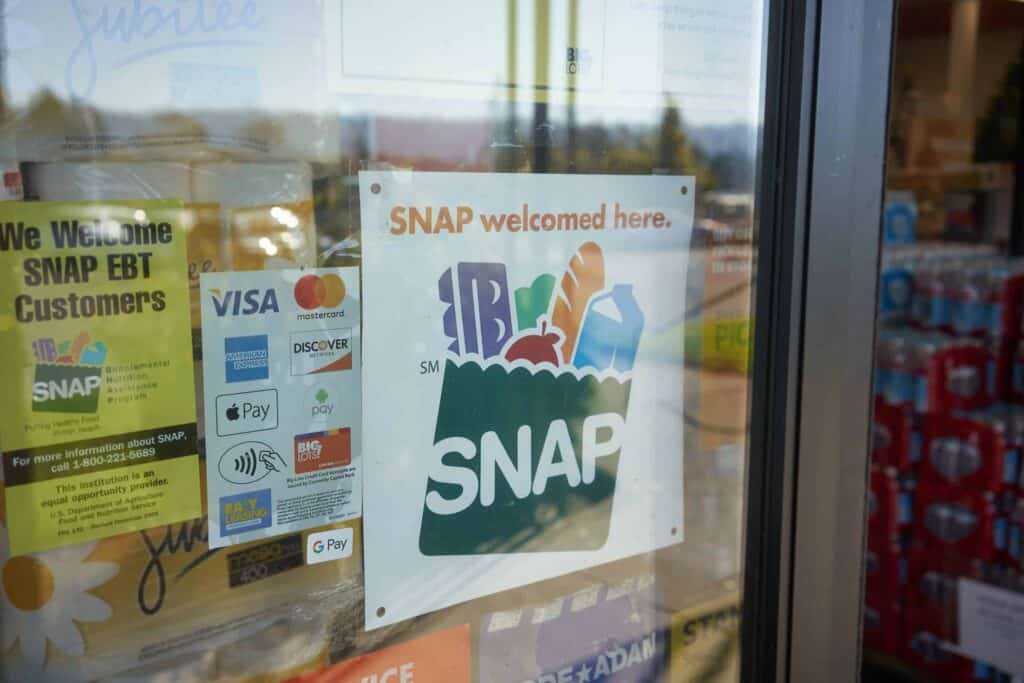
SNAP provides monthly financial assistance for groceries to eligible individuals and families.
How partners can help:
Become a SNAP Partner. We conduct SNAP training and resources for interested partners.
CSFP provides monthly food boxes to older adults (60+) with incomes at or below 130% of the federal poverty level.
Local details:
CACFP provides reimbursement for meals and snacks served to children and adults in care settings, including afterschool programs.
Why it matters:
SFSP helps ensure children continue to receive free meals when school is not in session.
How partners can help:
To provide the best experiences, we use technologies like cookies to store and/or access device information. Consenting to these technologies will allow us to process data such as browsing behavior or unique IDs on this site. Not consenting or withdrawing consent, may adversely affect certain features and functions.