Please ensure Javascript is enabled for purposes of website accessibility

Revolutionizing Community Agriculture: Project Grow’s Impact in Middle Tennessee

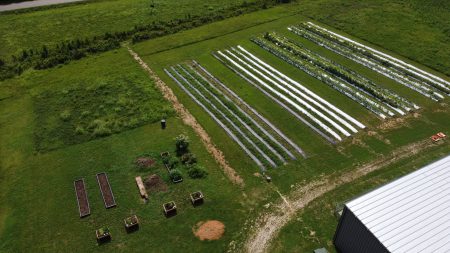
Aerial view of a small farm with several rectangular garden beds and rows of crops, some covered with white plastic, surrounded by green grass and a building with a metal roof in the lower right corner.
High Above Project Grow

When the Benton County Commission donated 23 acres of land to Second Harvest Food Bank, they didn’t realize they had created a golden opportunity to revolutionize the fight against hunger. This land grant marked the establishment of Second Harvest’s Ray Smith Family Distribution Center, and the 18 acres of unused land were ripe for innovation. This sparked Project Grow.

Project Grow, a pioneering two-year agricultural initiative by Second Harvest Food Bank of Middle Tennessee, is more than just a farm. It’s a community-centric program with multifaceted goals: engaging the agricultural community, increasing volunteer participation, providing educational opportunities, and producing high-quality, nutritious food for our neighbors in need. The project has already seen impressive results in its first year, with over 104 volunteers harvesting nearly 2,500 pounds of food.

How does Project Grow work? It’s divided into four key areas:

Teachable Garden
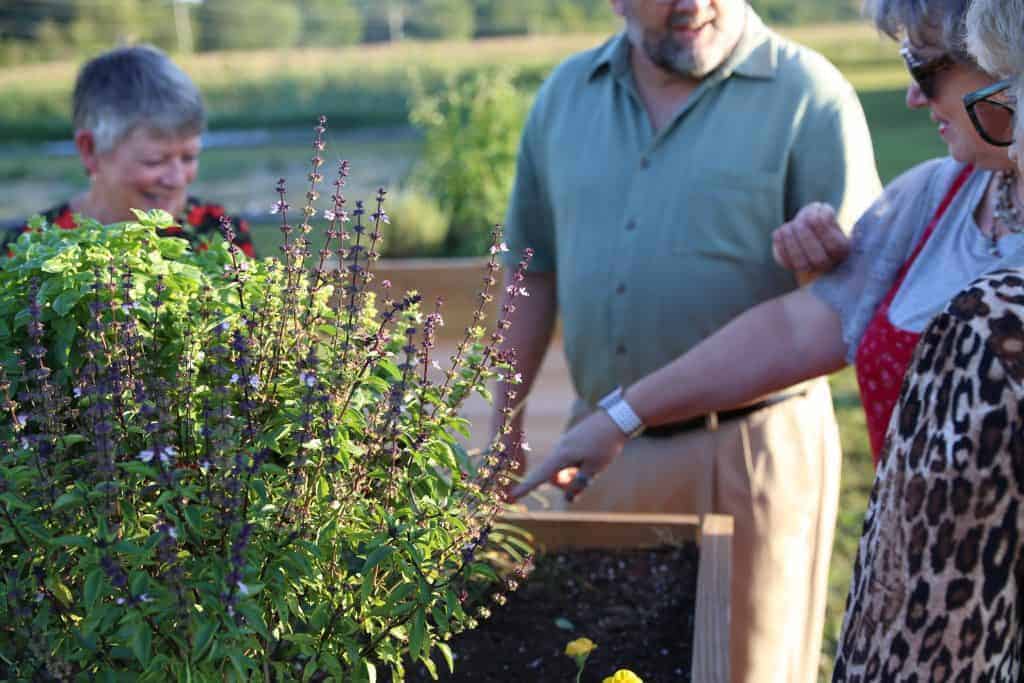
Three adults stand around a raised garden bed outdoors, observing and discussing lush green plants. One woman in sunglasses and animal print points at the plants as sunlight highlights the scene.
This area features raised beds of various heights, including a wheelchair-accessible option. It’s an ideal space for hands-on learning so our volunteers can see where their food comes from.

Row Style Garden

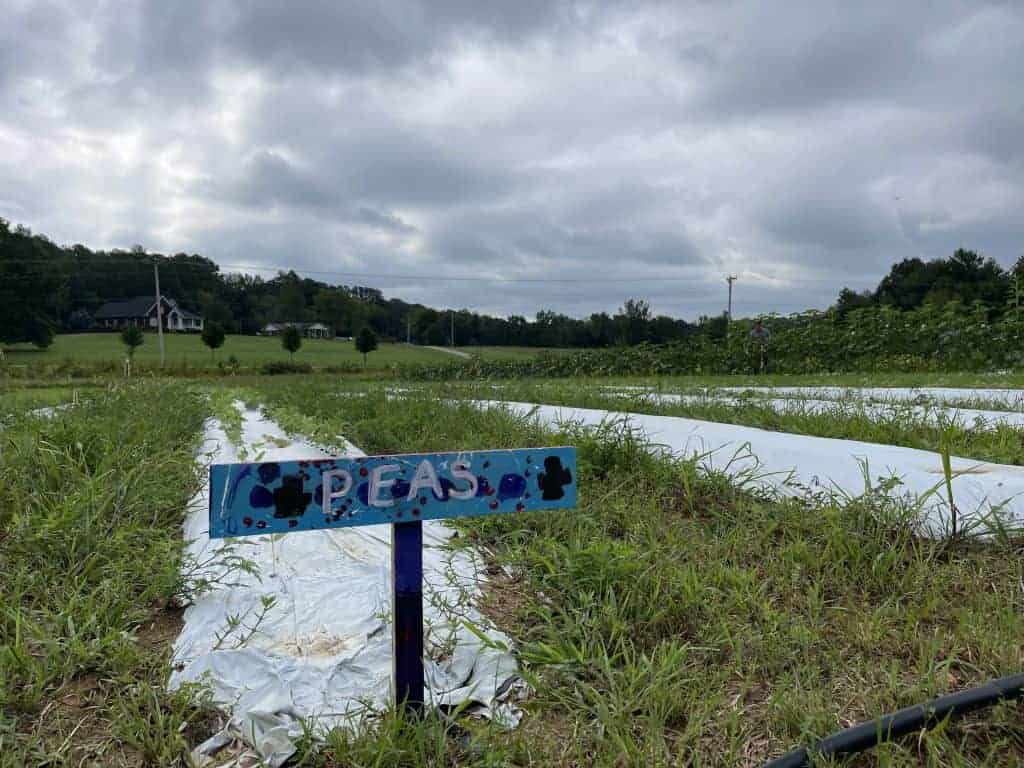
A vegetable field under a cloudy sky, with rows covered in white plastic and grass growing between. A colorful sign in the foreground reads PEAS. Trees and a house are visible in the background.
Comprising four quarter-acre plots, this section uses modern agricultural techniques like plastic mulch and drip lines for efficient farming to deliver farm fresh produce to our neighbors facing hunger.

Pollinator Barrier

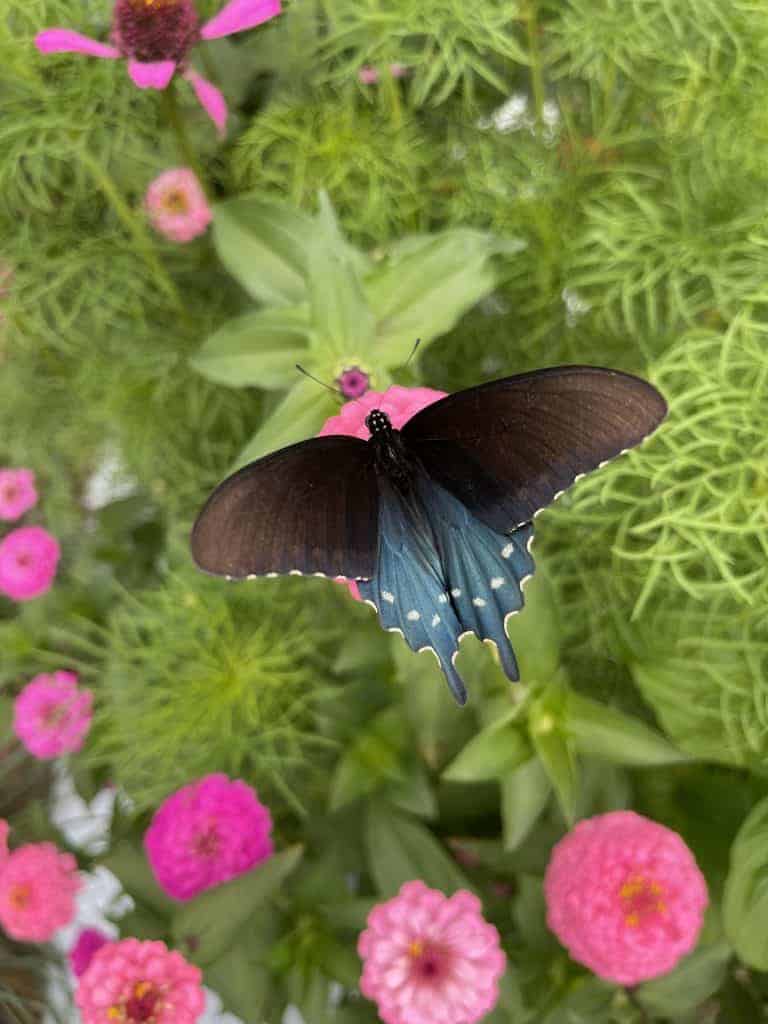
A black butterfly with blue and white markings rests on green foliage surrounded by pink flowers.
Extending over three acres, this section benefits bees and butterflies to help our garden grow and serves as a natural filtration system for garden runoffs to protect the nearby creek.

Soil Amendment Area

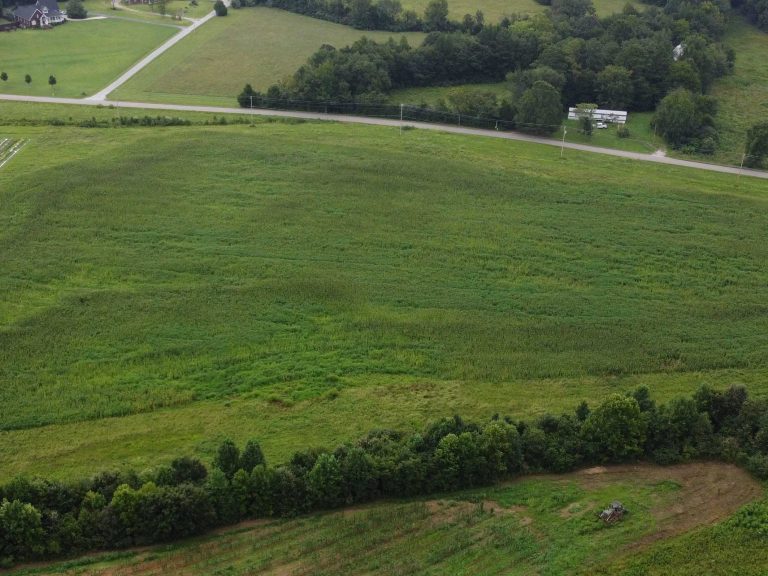
Aerial view of a large, green grassy field bordered by trees, with a road and scattered houses visible in the background under an overcast sky.
Spanning 12 acres, this part of the project involves a contracted farmer who manages the heavy tasks of fertilizing the soil, spreading cover crops, and ensuring the land remains fertile and productive for future use

Project Grow stands as a shining example of how agriculture can be used not only to produce food but also as a tool to educate, engage, and enrich a community. Second Harvest Food Bank of Middle Tennessee is setting the standard for a healthier, more sustainable future for all involved.